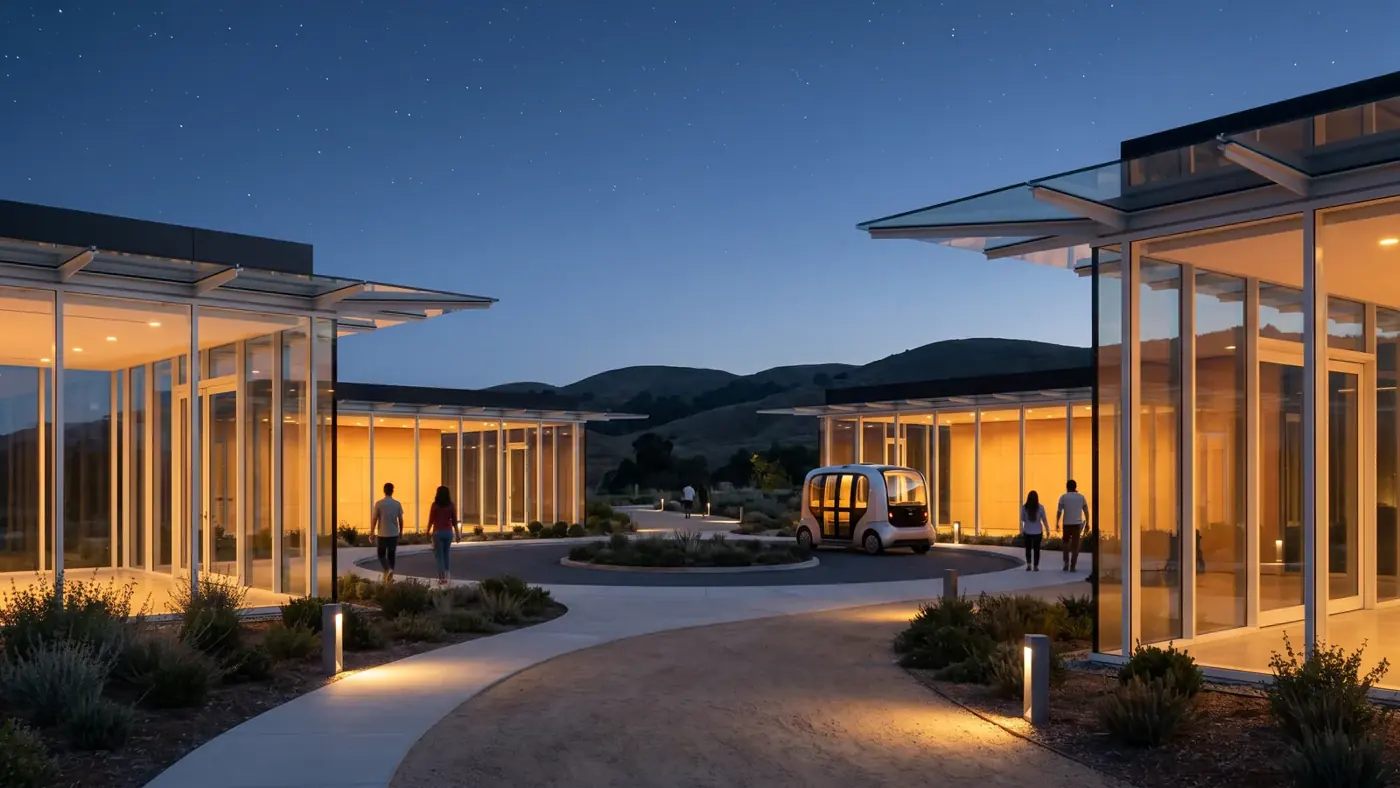
 Concept render
Our vision
A privately funded NHS for recovery.
Every treatment that works already exists. We pay for the one the person chooses, and for everything around it, for five years.
The idea
Britain’s National Health Service pays for care when a person needs it. We want that for recovery, paid for by donors and funders instead of taxes.
The person chooses the help. We pay the bills around it: medicine, a deductible, a sober bed, a month’s rent while they’re away.
It’s for everyone, starting with working people.
Every item is paid to the provider the person chose. No program ever pays us.
Four stages
The years are our plan. Each stage starts when the one before has proven itself.
- 2027
Pay the bills that block help
Medicine, deductibles, crisis money to a landlord, and five years of check-ins.
- 2028–29
Care and a roof
Stays insurance refuses, a certified sober home, the first 90 days as one bundle.
- 2030–31
Build what’s missing
A medication practice, sober homes, a clinic and a line that answers around the clock.
- 2031 on
Ranch One
Our own residential care on 40 acres.
The 20 things that do the most
Ranked by evidence and reach, best first. Eight of them:
- 1
Medication for opioid addiction
We pay the pharmacy or the practice, never the person.
- 2
A deductible or copay, paid
So the bill isn’t the reason someone stops.
- 3
Alcohol medicine and the visit to prescribe it
Every approved medicine, when the person’s own clinician prescribes it.
- 5
A certified sober home for three to six months
Rent paid monthly to the house the person chose, after move-in.
- 6
Small rewards for showing up
Gift cards for keeping appointments, never cash. One of the best-tested tools there is.
- 8
Five years of check-ins
And care paid again if things slip.
- 9
A trained interventionist who guides the family
For the people who love them, using a tested method (CRAFT).
- 16
A year of job support
A specialist who helps keep the job, or find the next one.
Twelve more in the full plan.
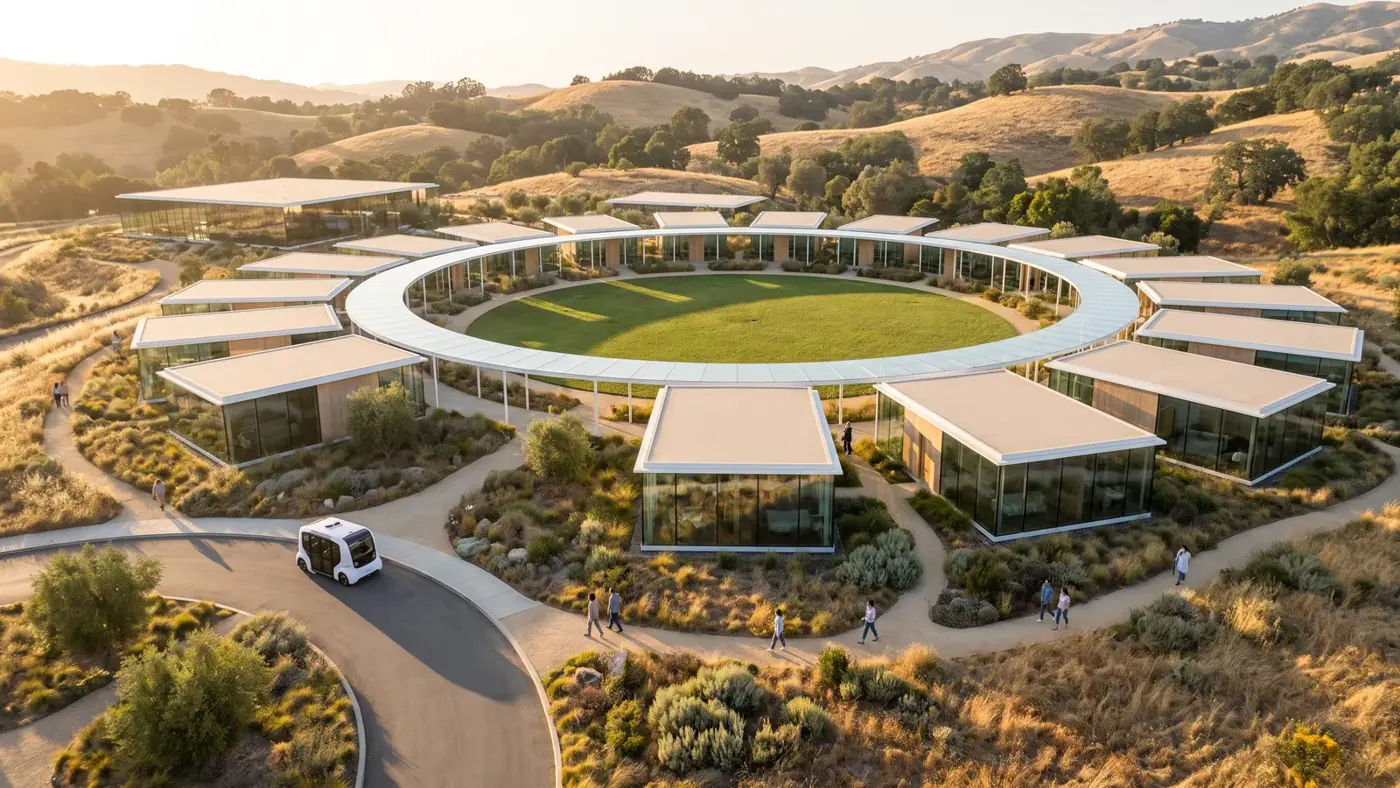
Concept render
Ranch One
Clean competence. Lean, evidence-based residential care on 40 acres, run by a small staff, open to everyone.
- 40 acres
- 32 beds to start
- 96 beds at full build




Designed to be repeatable.
Built to scale
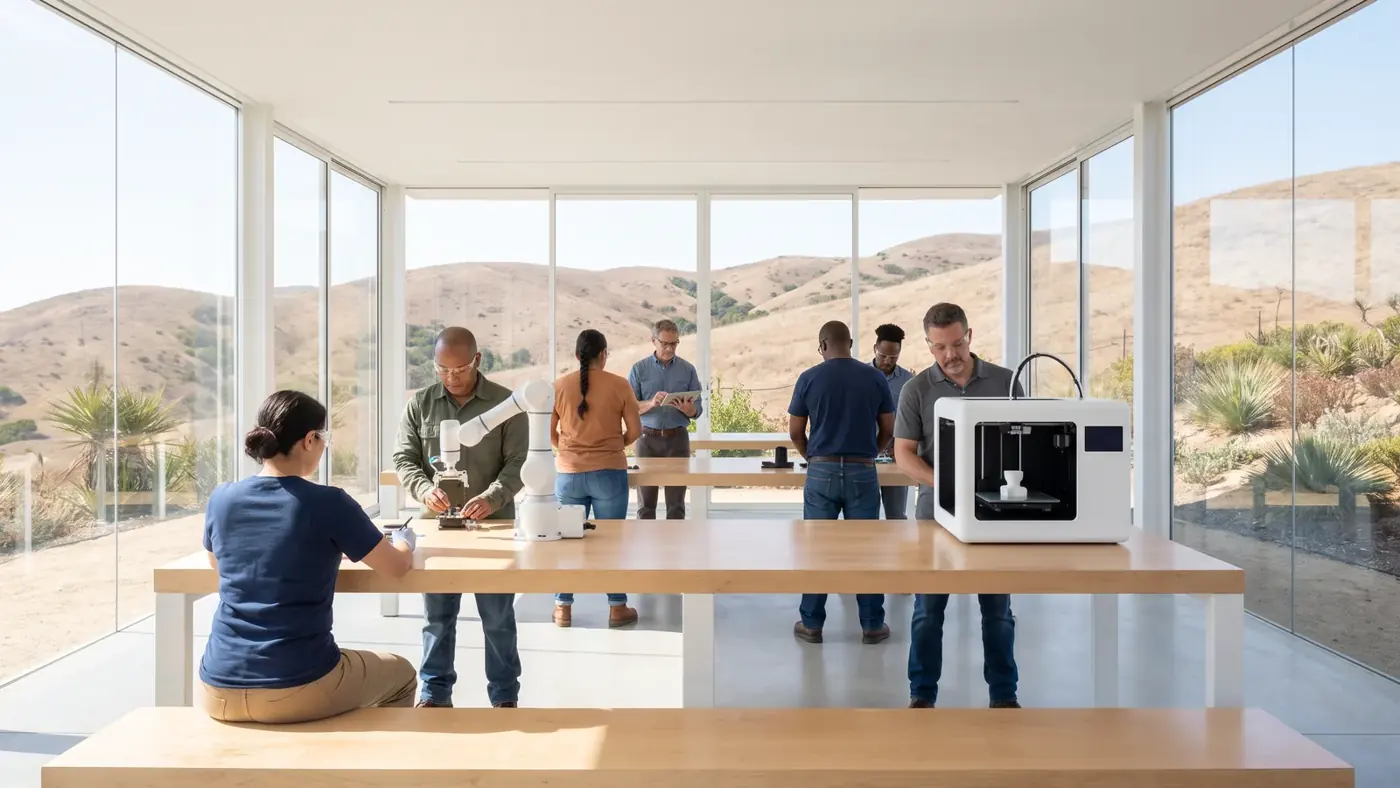
Deep tech runs the building. People deliver the care.

Self-driving rides and shuttles
Where they run, a driverless ride is one way to get to care. Waymo already gives about 500,000 paid rides a week.Sources
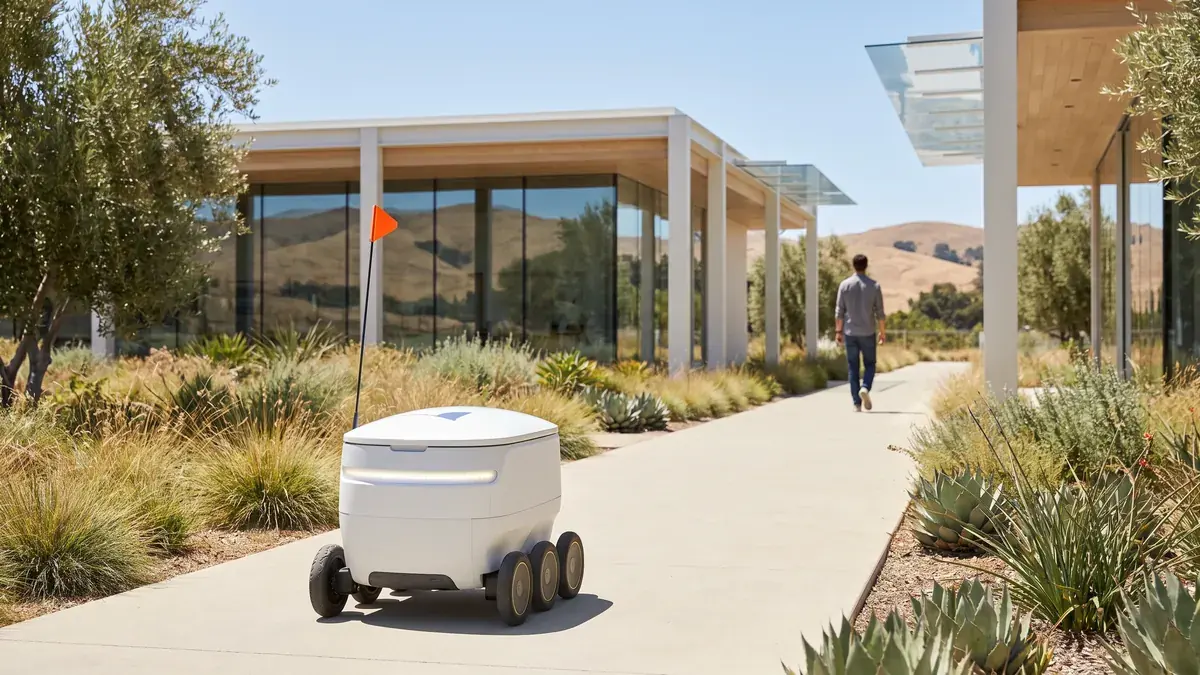
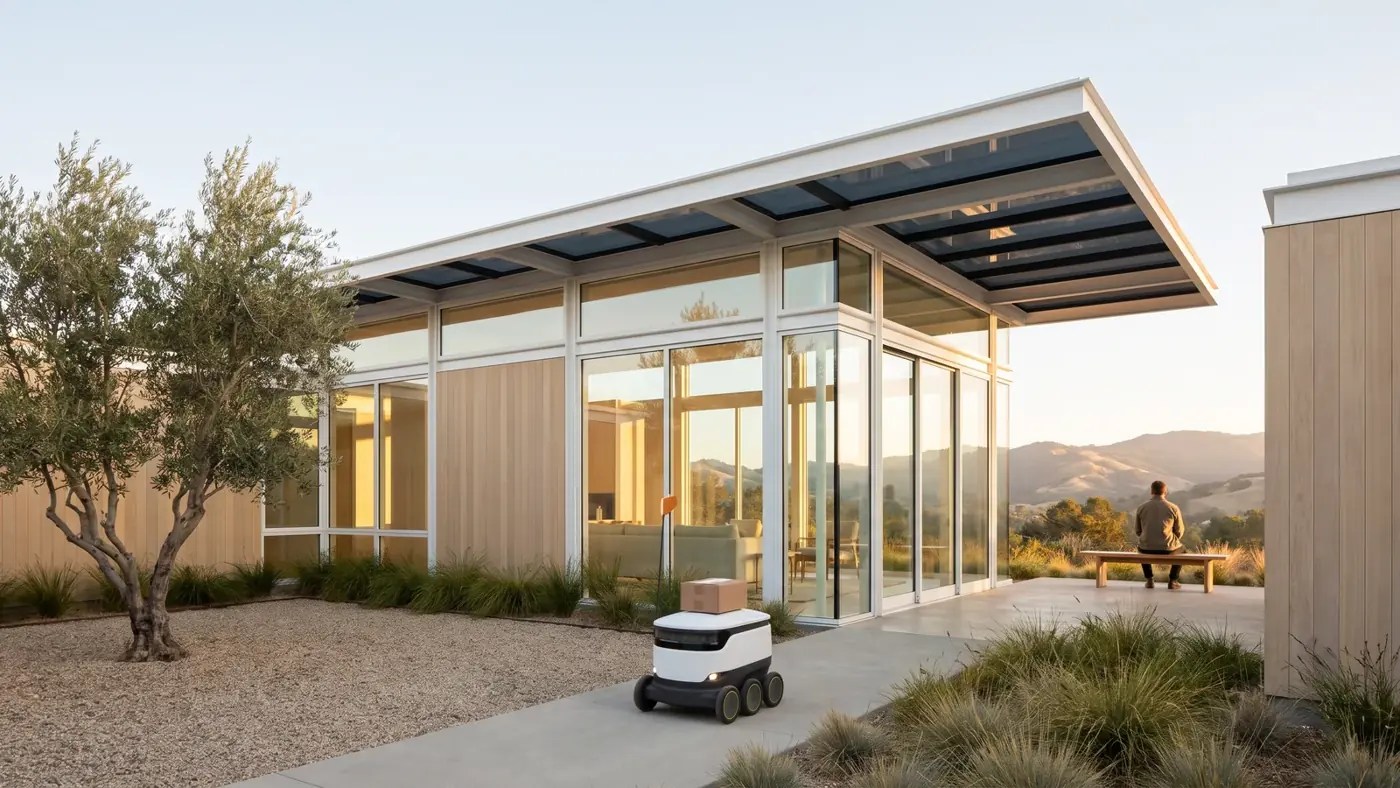
Delivery robots
Supplies brought to people at home. Starship’s sidewalk robots have passed 10 million deliveries.Sources
-
Pharmacy automation
Medication from a licensed pharmacy in unit-dose packs. In a review of 32 studies, robotic dispensing cut errors from 1.31% to 0.63%.Sources
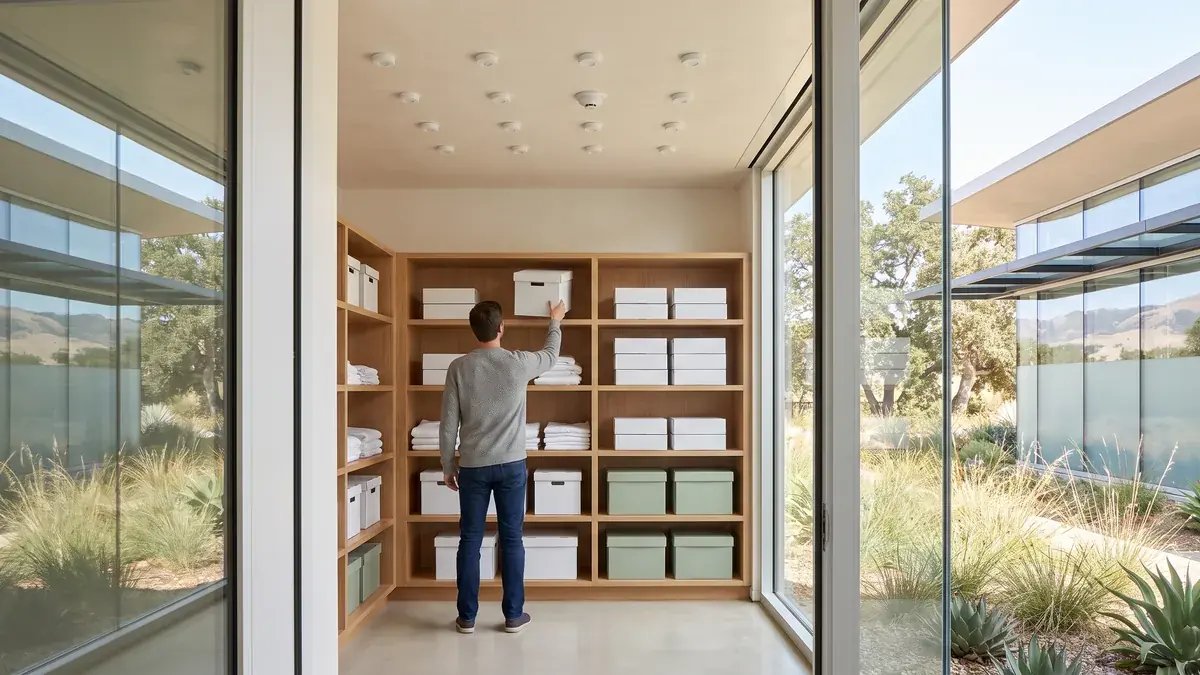
A supply room with no checkout
Residents pick up what they need with their badge. No cashier, no camera.
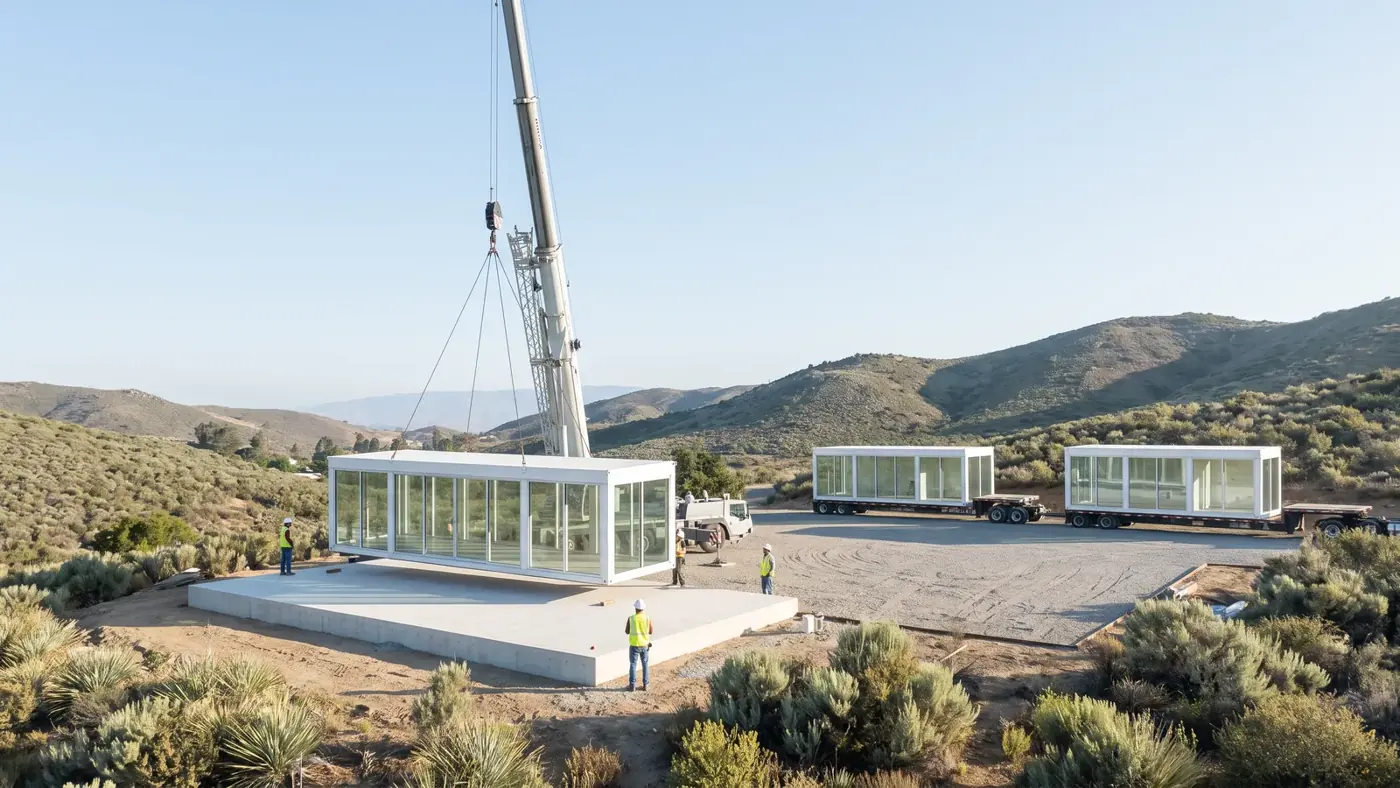
Factory-built buildings
Buildings made as modules to one standard, so a campus goes up faster and costs less.
-
Service robots and sensors
A floor-scrubbing robot to start, the one kind that works at scale today, and safety sensors that make no picture.Sources
Where recovery is overpriced
Recovery prices run 1 to 150 times cost.
Some of what people pay for recovery costs far more than it takes to provide. We pay fair prices, and we publish what things cost. Where something already sells at cost, we leave it alone.
| What | What’s charged | What it takes | Price to cost |
|---|---|---|---|
| A lab urine test | $2,000 to $3,000 billed; Medicare pays $114.43 | About $20 to $40 to run (our estimate) | Up to 150× [1][2] |
| An 80-hour peer course | $1,600 | About $133 a trainee in trainer time (our estimate) | About 10× [1] |
| A ride to treatment | $500 to $2,000 a day | About $256 a day in driver pay and mileage | 2 to 8× [1] |
| Generic medicine (naltrexone) | $33.69 a month | Already sold at cost | 1× [1] |
Help us start
The first stage pays the bills that stop people getting help. Every gift goes to the provider the person chose.